Detailed Roof Evaluations
Roof inspections help identify leaks, storm damage, moisture concerns, ventilation issues, and overall roof condition.
Roof Condition ChecksA clear, step-by-step roofing process guide for homeowners and businesses throughout King County, Snohomish County, and North Seattle communities.
Most homeowners have questions before starting a roofing project — from timelines and cleanup to weather delays and communication. This guide explains how the roofing process typically works from inspection through final walkthrough.
Roof inspections help identify leaks, storm damage, moisture concerns, ventilation issues, and overall roof condition.
Roof Condition ChecksEstimates should explain roofing recommendations, material options, project scope, timelines, and expectations.
Scope & Timeline ClarityRoofing projects in Washington often require planning around rain, wind, moisture exposure, and seasonal conditions.
Rain & Storm PlanningCleanup, debris removal, magnetic nail sweeps, and final inspections are important parts of the roofing process.
Final Cleanup StandardsRoofing projects often involve important decisions, timelines, weather concerns, inspections, budgeting, and communication. Understanding how the process typically works can help homeowners feel more confident before work begins.
Whether the project involves a roof repair, replacement, installation, storm damage evaluation, or preventative maintenance, having a clear process helps reduce surprises and improves overall project planning.
Homeowners should understand timelines, recommendations, scheduling expectations, and the overall roofing scope.
Roofing projects can affect parking, landscaping, noise levels, material delivery, and access around the property.
Roofing work in Washington often requires planning around rain, moisture exposure, wind conditions, and seasonal weather.
Early inspections and preventative maintenance can help identify roofing concerns before they become larger repair issues.
Whether you need a roof repair, replacement, installation, inspection, or storm damage support, our process is designed to keep homeowners informed, prepared, and confident from start to finish.
Every roofing project starts with a conversation. We learn more about your concerns, project goals, property type, roof condition, and any visible issues.
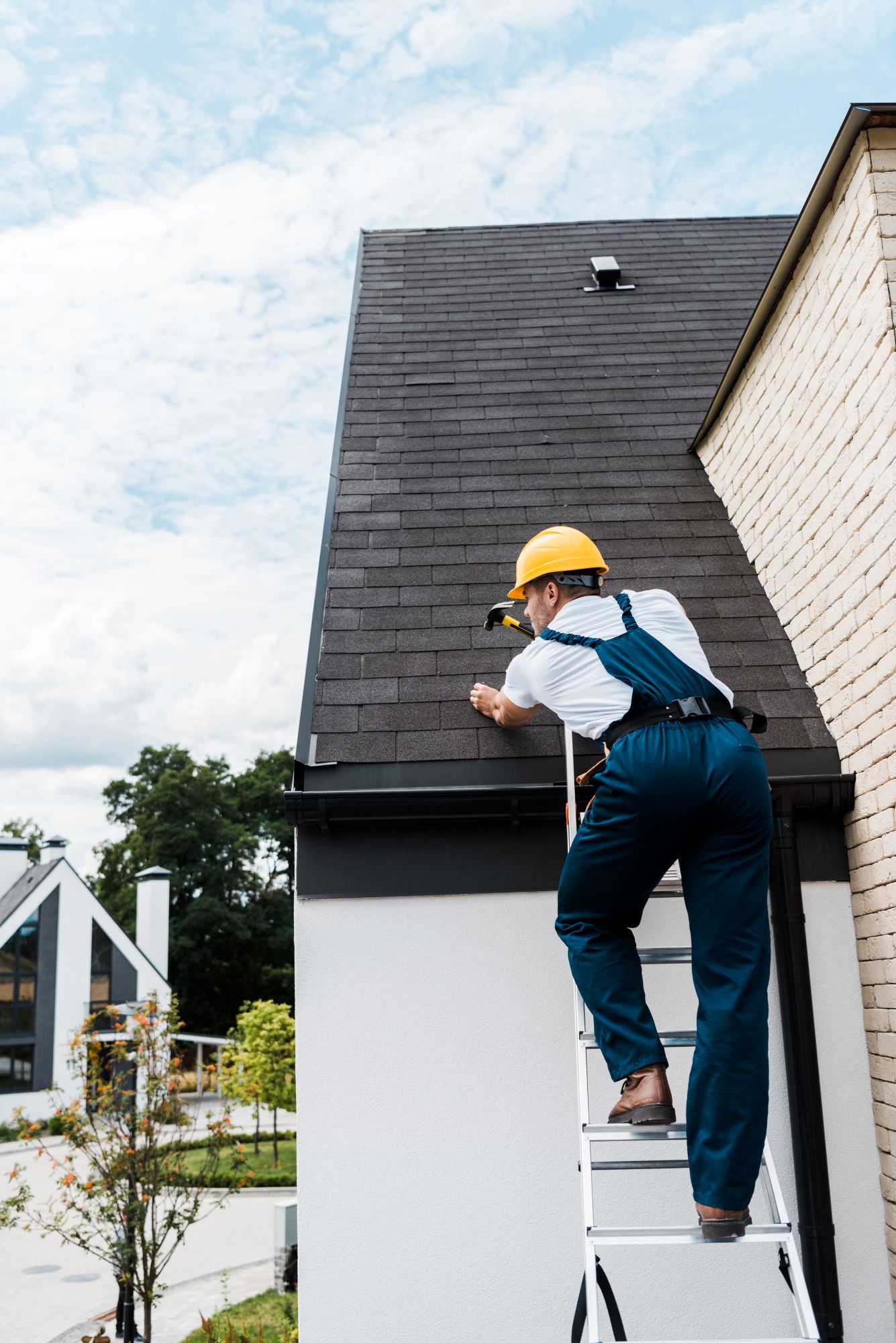
We evaluate the roof system, identify visible concerns, inspect roofing materials, and look for damage, wear, leaks, ventilation concerns, and moisture-related issues.
After evaluating the roof, we explain our findings, discuss available options, and provide project recommendations tailored to your roof condition and goals.
Once the project is approved, we coordinate scheduling, material planning, preparation details, and project timing around weather and site conditions.
Our team completes the approved roofing work while focusing on workmanship, safety, communication, property protection, and ongoing project updates.
After the roofing work is completed, we review the finished project, clean the work area, and answer any remaining questions about the roof system.
Roofing projects throughout King County, Snohomish County, and North Seattle communities are heavily influenced by rain, moisture, wind, temperature changes, and seasonal weather conditions.
Wet roofing conditions can impact scheduling, material installation, roof deck safety, and overall project timing.
Strong winds can affect shingle installation, material handling, safety conditions, and storm-related repairs.
Seasonal temperatures can influence roofing material flexibility, seal performance, installation timing, and drying conditions.
Northwest moisture and tree coverage often contribute to moss growth, debris buildup, drainage concerns, and roof surface wear.
Roofing projects can create vibration, noise, debris movement, and temporary access limitations around the property. Preparing ahead of time helps improve safety, efficiency, communication, and overall project flow.
Move vehicles away from the driveway or work zone to help improve crew access and avoid falling debris concerns.
Patio furniture, grills, decorations, and outdoor items should be moved away from roofing work areas when possible.
Roofing projects can create loud noise and vibrations, so it may help to keep pets indoors or away from the property.
Roofing work can cause vibrations throughout the structure, especially during tear-off or decking-related work.
Crews may need access to electrical outlets, gates, driveways, or designated staging areas during the project.
Before work begins, review scheduling details, timelines, access needs, and project expectations with your contractor.
Roofing problems often start small before turning into larger structural, moisture, insulation, or interior damage concerns. Recognizing warning signs early may help reduce repair costs and prevent more extensive roofing issues.
Ceiling discoloration, dripping water, damp attic areas, or bubbling paint may indicate active roof leaks.
Curled, cracked, lifted, or missing shingles can expose the roof system to additional moisture and weather damage.
Moss growth and trapped debris may hold moisture against roofing materials and contribute to long-term roof deterioration.
Fallen branches, lifted shingles, exposed flashing, or impact damage can create hidden roofing concerns.
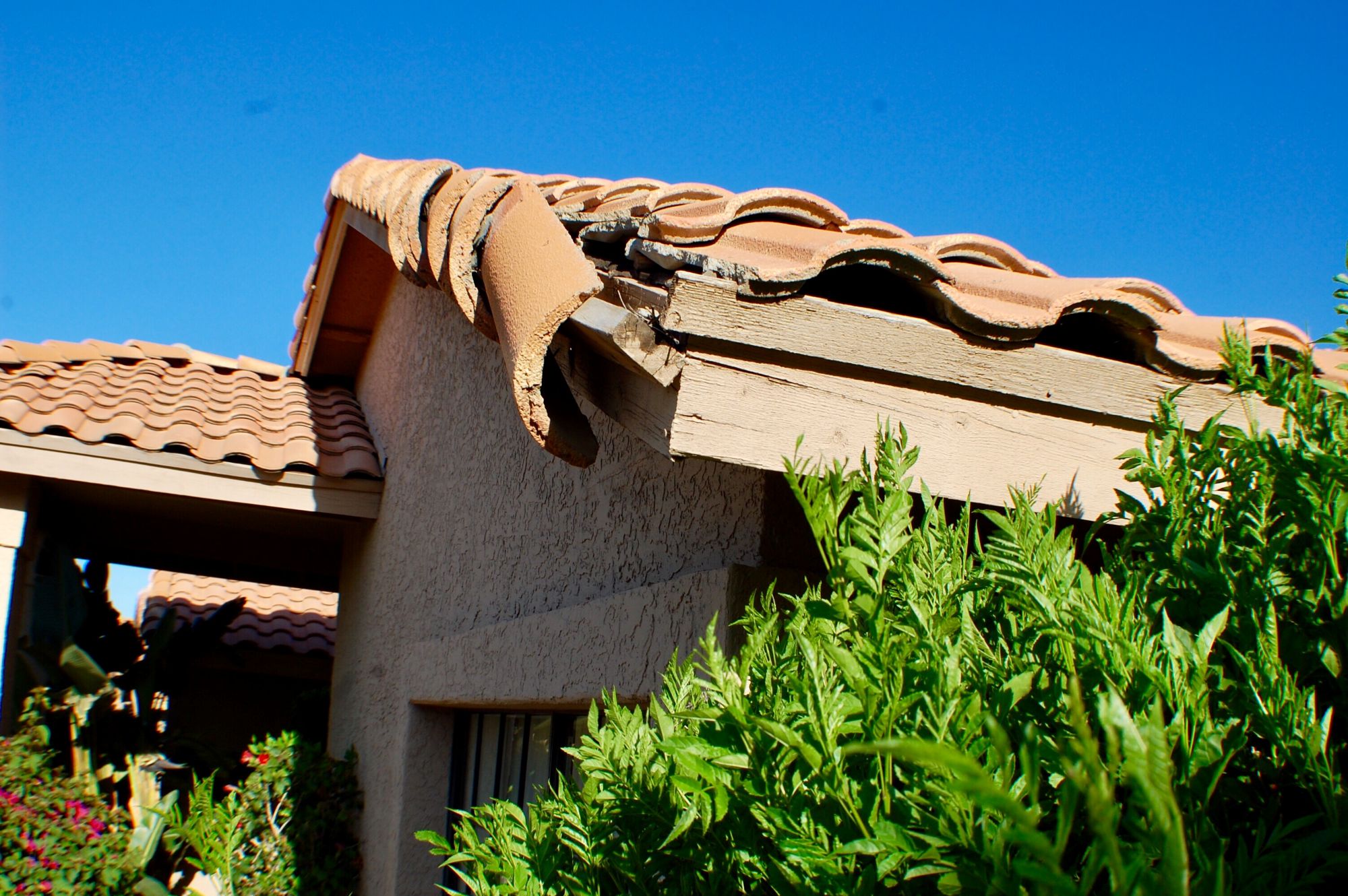
Northwest rain and moisture exposure can turn small roofing concerns into larger structural and interior damage over time.
Roofing projects are easier to understand when the terminology makes sense. These common roofing terms can help homeowners better understand estimates, inspections, repairs, replacements, and installation recommendations.
Understanding basic roofing language helps homeowners compare options, ask better questions, and feel more confident before approving work.
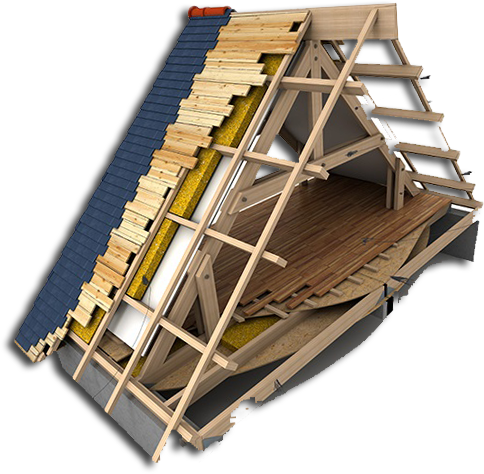
If a roofing estimate mentions flashing, decking, underlayment, or ventilation, ask how each item affects long-term roof performance.
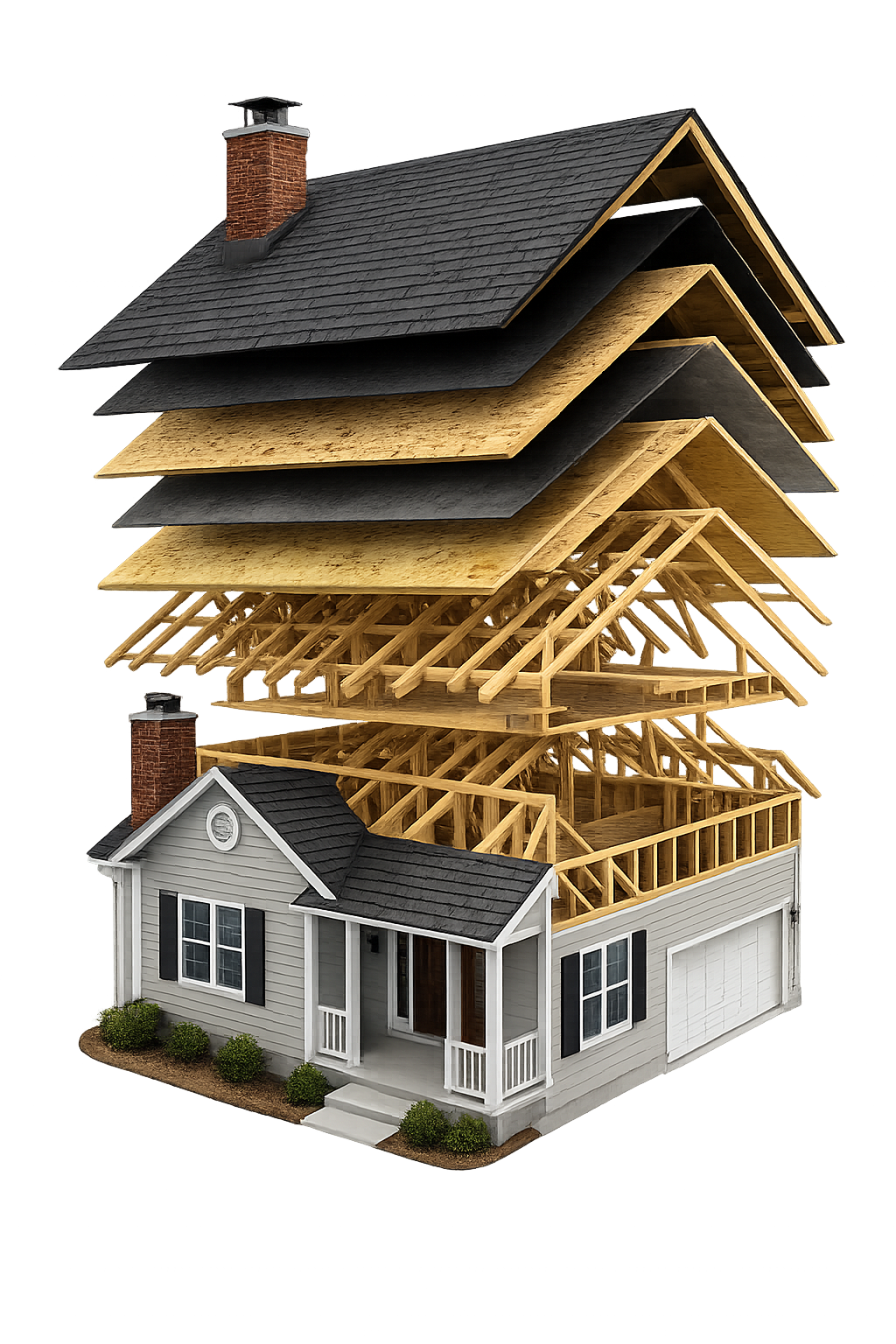
Roof decking is the structural surface beneath the roofing materials. If decking is soft, damaged, or rotted, it may need repair before new roofing materials are installed.
Underlayment is a protective layer installed between the roof decking and exterior roofing material. It helps provide an added barrier against moisture intrusion.
Flashing is metal or waterproof material installed around roof transitions, chimneys, vents, skylights, valleys, and other leak-prone areas.
Roof ventilation helps manage heat and moisture in attic spaces. Poor ventilation can contribute to condensation, trapped heat, and shortened roof lifespan.
Pipe boots seal around plumbing vent pipes where they pass through the roof. Damaged pipe boots are a common source of roof leaks.
Ridge cap shingles or materials cover the peak where roof slopes meet. They help protect the ridge line and complete the roof system.
These answers help set expectations around timing, weather, preparation, materials, inspections, and what happens once roofing work starts.
Smaller repairs may be completed quickly, while full replacements can take longer depending on roof size, weather, materials, decking repairs, and project complexity.
A roof inspection typically checks roofing materials, flashing, ventilation, drainage, visible damage, leak-prone areas, storm wear, and overall roof condition.
Roofing work depends heavily on safe, dry conditions. Rain, wind, and moisture can affect scheduling, installation safety, and material performance.
Many homeowners stay home, but roofing can be noisy. Pets, children, remote work, and daily schedules should be considered before work begins.
If damaged decking is discovered, it should be addressed before new roofing materials are installed so the roof system has a solid foundation.
Move vehicles, clear outdoor items, protect fragile belongings, plan for pets, and make sure crews can access work areas safely.
Whether you need a roof inspection, repair, replacement, installation, storm damage support, or a professional estimate, our team is here to help you understand your options and move forward with confidence.
Get support for common roofing needs throughout King & Snohomish County.
Whether you need a roof repair, replacement, inspection, or emergency service, our team is here to help homeowners and businesses throughout King County, Snohomish County, and North Seattle communities.
Answer the quick prompts below, then send us your project details.